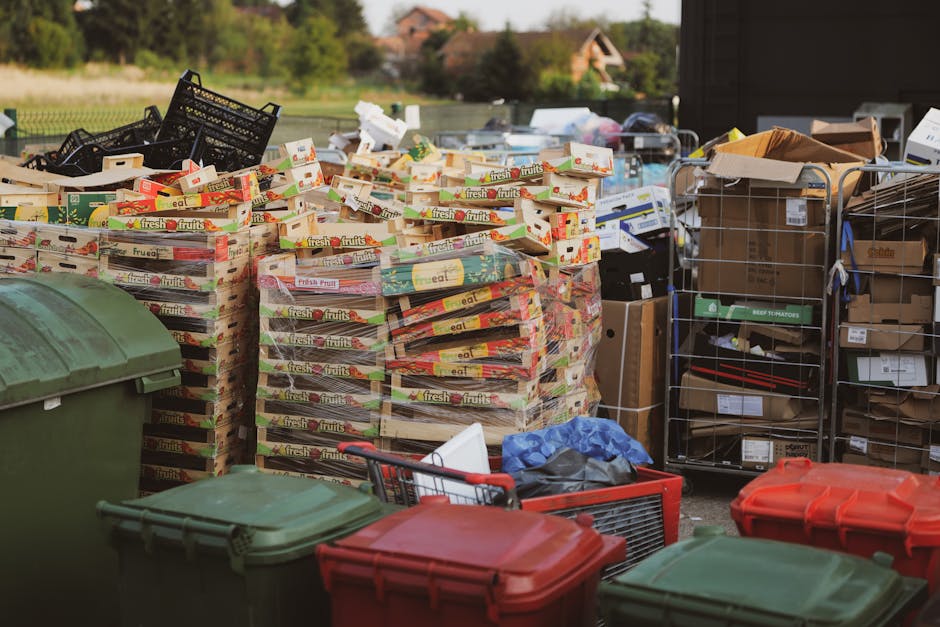
Shortlands business rubbish solutions for shops and offices

Running a shop or office in Shortlands means juggling a lot at once: deliveries, customers, staff, stock, paperwork, and the odd pile of broken chairs or cardboard that seems to appear from nowhere. Shortlands business rubbish solutions for shops and offices are about making that side of the job simple, predictable, and not quietly stressful in the background. Whether you are clearing old office furniture, dealing with packaging waste, or handling a one-off backroom tidy, the right setup keeps your space safer, tidier, and easier to run.
Truth be told, most rubbish problems in commercial premises are not dramatic. They are just persistent. A box store room gets tighter each week. A back office fills with archive bags. A small retail unit ends up with damaged fixtures after a refit. This guide walks through what the service involves, why it matters, how it works, and how to choose the right approach for your business without wasting time or money.
Why Shortlands business rubbish solutions for shops and offices Matters
Commercial waste is not the same as a quick domestic clear-out. Shops and offices generate a wider mix of rubbish, often in smaller bursts but with more urgency attached. Packaging, broken displays, redundant desks, confidential paper, worn-out appliances, and general clutter can all build up fast. If you leave it too long, it starts to interfere with how the business feels to customers and how smoothly staff can work.
For a shop, the front-of-house impression matters. A cramped stockroom or a wheeled pile of old cartons near the till area does not exactly say "well organised". In an office, the issue is often more subtle. You may not notice the clutter for a while, then one morning you realise there is nowhere to file new archive boxes, and the printer area looks like a small battlefield. Small things. But they add up.
There is also the practical side. Rubbish left in the wrong place can create trip hazards, block fire exits, attract pests, or simply slow everyone down. That is why many businesses choose a dedicated service such as business waste removal in Shortlands rather than trying to handle everything ad hoc.
Expert summary: The best business rubbish solution is not just about taking waste away. It is about keeping the workspace usable, reducing risk, and fitting around how your shop or office actually operates.
How Shortlands business rubbish solutions for shops and offices Works
In plain English, the process is usually straightforward. You identify the rubbish, separate anything sensitive or hazardous, book a collection, and have the waste removed from the premises. Good providers make this feel almost boring, which is exactly what most businesses want. No drama. No mess left behind. No "we'll be back next week" nonsense if it can be avoided.
For office environments, this can include anything from general clutter to desk clearances and paper shredding. For retail, it may include display units, damaged shelves, old point-of-sale furniture, packaging, or obsolete stock containers. If you have large items, a separate office clearance can be useful when you need more than a simple bin-emptying service.
Most businesses do best when waste is handled in planned stages:
- First, separate general rubbish from items that need special treatment.
- Second, decide what can be recycled, reused, or securely destroyed.
- Third, book a collection that matches your trading hours and access conditions.
- Fourth, make sure the team removing waste understands the site layout and any safety rules.
- Finally, keep a simple record of what was removed and when.
That last point is easy to skip. People do. But it helps when a manager asks what happened to a batch of old monitors, or when you need to show that waste is being handled sensibly. If your team deals with confidential material, it is worth looking at confidential shredding as part of the wider waste plan.
Key Benefits and Practical Advantages
The obvious benefit is space. Free space in a shop backroom or office store room is not a luxury; it is operational breathing room. You can move stock more easily, keep work areas safer, and stop everyday tasks from feeling awkward.
There are some less obvious advantages too:
- Better first impressions: customers and visitors see a tidier, more professional environment.
- Lower day-to-day friction: staff spend less time stepping around junk or moving it from corner to corner.
- Improved safety: fewer loose items, fewer blocked walkways, and less clutter near exits.
- Smarter recycling: reusable materials can be separated rather than thrown away with everything else.
- Less disruption: a well-planned collection can happen with minimal impact on trading.
In our experience, the best result is often the one that quietly changes how the whole place feels. A room that used to look tired suddenly looks usable again. That matters more than people think. You walk in on Monday and the air feels lighter, almost. Sounds a bit dramatic, maybe, but it is real.
If your business wants to stay aligned with environmentally aware disposal, have a look at recycling and sustainability. It helps frame waste not as a nuisance, but as a process you can manage better.
Who This Is For and When It Makes Sense
This service is a strong fit for independent shops, local offices, estate agencies, salons, cafes with back-of-house waste, small warehouses, and mixed-use premises where space is tight. It is also useful for businesses that are reorganising, refurbishing, downsizing, or getting ready for a new lease handover.
You may need shortlands business rubbish solutions for shops and offices if:
- you have accumulated bulky items in a stockroom or office corner;
- you are replacing furniture or fittings;
- you need to clear old files, packaging, or broken equipment;
- you are preparing for an inspection, move, or refurbishment;
- your regular collection system does not handle mixed waste well;
- you want a one-off tidy-up before a busy trading period.
There is no rule that says you must wait for a major overhaul. Sometimes the best time is before the clutter becomes a problem. That is the clever bit, really. If you notice a slow build-up, deal with it then.
Step-by-Step Guidance
If you want the whole process to feel easy, this is the simplest way to approach it.
1. Walk the site properly
Do a proper sweep of the shop, office, backroom, kitchenette, basement, or storage area. Make a list. Not in a vague "there's some stuff somewhere" way. Get specific. Old office chairs? Flat-packed packaging? Broken monitor? Half a dozen archive boxes? Write it down.
2. Separate waste by type
Set aside anything that needs special handling. That might include confidential paper, electrical items, appliances, or materials that should not just be mixed with general waste. If you are not sure, do not guess. Sort first, ask questions second.
3. Check access and timing
Think about loading access, lifts, parking restrictions, narrow stairwells, and whether collections need to happen outside opening hours. In Shortlands, like much of London, awkward access can affect everything. A collection that looks simple on paper can become a small logistical puzzle by the time you reach the front door.
4. Get a clear quote
A proper quote should reflect the amount, type, and location of waste. If a provider offers business rubbish removal, ask what is included and whether there are extra charges for heavy lifting, appliance disposal, or restricted access. For pricing clarity, the site's pricing and quotes page is a useful starting point.
5. Prepare the waste for collection
Bundle loose material sensibly, keep walkways clear, and make sure staff know what is being removed. That simple bit saves time. A lot of time, sometimes.
6. Confirm what happens after collection
Ask how waste will be processed, especially if you have recyclable materials or sensitive items. If appliances are involved, you may also need a dedicated fridge and appliance removal solution.
Expert Tips for Better Results
A few small habits make a big difference over the long run. Most of them are not flashy. They just work.
- Use a labelled staging area. A corner of the store room or back office can act as a temporary sorting point for outgoing waste.
- Review waste weekly. Ten minutes at the end of the week is often enough to stop clutter from snowballing.
- Keep confidential waste separate. Do not let paper files sit in the same pile as general rubbish.
- Plan around trading peaks. A shop should not schedule a messy collection on its busiest afternoon if it can avoid it.
- Choose the right removal method. For some businesses, a smaller, more frequent collection works better than one large clear-out every few months.
- Protect shared areas. In offices, watch reception, corridors, and lift access. It only takes one overloaded trolley to cause a mess.
If you deal with old furniture or fitted items, it can help to pair your plan with furniture disposal or a broader furniture clearance approach. That is especially handy during refurbishments or changes of layout.
Small tip, but a good one: take photos before collection. Not for show. Just for records. When a business changes hands or a manager shifts responsibilities, those images can save a surprising amount of back-and-forth. Nothing dramatic, just useful.
Common Mistakes to Avoid
Most waste problems in shops and offices are preventable. They happen because people are busy, not because anyone is careless. Still, there are a few common traps worth dodging.
- Leaving sorting until collection day. That is how delays happen.
- Mixing confidential paper with general rubbish. A bad idea, and not a subtle one.
- Ignoring bulky items. One broken filing cabinet can block a whole route.
- Underestimating access issues. Staircases, basements, and tight loading areas matter more than people expect.
- Assuming everything can go together. It cannot.
- Choosing the cheapest option without checking the scope. Cheap can become expensive if it creates repeat work or hidden charges.
There is also a softer mistake: treating waste as an afterthought. That mindset tends to create clutter in slow motion. One box becomes three. Three becomes six. Then suddenly everyone is stepping round the same old pile for two months. We have all seen it. Bit embarrassing, to be fair.
Tools, Resources and Recommendations
You do not need fancy systems to keep commercial waste under control. A few practical tools go a long way:
- Labelling tape or stickers: useful for marking items that are due to be removed.
- Simple inventory sheets: good for listing what is being cleared.
- Archive boxes and shredding sacks: helpful for separating paperwork from mixed waste.
- Trolleys or dollies: handy when moving boxes safely through narrow spaces.
- Site access notes: a short internal document that explains lifts, loading bays, alarms, and opening times.
For businesses that want to book a removal slot with less friction, book online can be a convenient next step. If you need help understanding what kind of waste is acceptable in general, what can go in a skip is also useful background even if you are not using a skip itself.
If you are dealing with a refit or shop alteration, the builders waste clearance page may be relevant too, especially for plasterboard offcuts, packaging, and mixed renovation debris. Different jobs, same principle: clear it safely and keep the site workable.
Law, Compliance, Standards, or Best Practice
Businesses in the UK have a duty to manage waste responsibly. The exact requirements depend on what you are throwing away, how you store it, and whether the material is general, recyclable, confidential, electrical, or hazardous. That is the honest version. No one-size-fits-all shortcut.
As a rule of thumb, good practice means:
- keeping waste stored safely and securely before collection;
- separating hazardous or sensitive items from ordinary rubbish;
- using a provider that understands commercial collections;
- keeping records where needed for your own internal accountability;
- making sure staff know how to handle waste safely on site.
Where safety and insurance are concerned, it is sensible to check the provider's policies rather than assume. Pages such as health and safety policy, insurance and safety, and payment and security help build confidence before you commit.
If your waste includes anything potentially harmful, use the appropriate route rather than the general one. For example, batteries, chemicals, paints, or other restricted materials may require hazardous waste disposal. And if your business handles sensitive documents, secure shredding is the more sensible choice. Common sense, really, but worth saying plainly.
Options, Methods, or Comparison Table
There is more than one way to manage rubbish in a shop or office. The best option depends on volume, urgency, item type, and access.
| Method | Best for | Strengths | Limitations |
|---|---|---|---|
| Regular commercial waste collection | Routine rubbish and recurring waste | Predictable, low effort | May not suit bulky or unusual items |
| One-off business rubbish removal | Clear-outs, resets, end-of-lease jobs | Fast and flexible | Less useful for everyday recurring waste |
| Office clearance | Desks, chairs, files, mixed office clutter | Good for larger workspace resets | Needs planning and access coordination |
| Confidential shredding | Paper files and sensitive documents | Better data protection practice | Not suitable for mixed bulky rubbish |
| Hazardous waste disposal | Restricted or dangerous materials | Safer and more appropriate handling | Requires correct identification first |
For many businesses, the real answer is a mix. Routine rubbish gets handled regularly, and larger clearances are booked as needed. That combination tends to work best because it stops the building from drifting into chaos between bigger jobs.
Case Study or Real-World Example
Imagine a small office above a retail unit in Shortlands. The team has grown, the storage room is crammed with old monitors, broken task chairs, archived folders, and a fridge that no longer cools properly. Everyone has been stepping around it for weeks, maybe months. There is that one awkward corner where boxes keep leaning a little further each Friday.
Instead of trying to solve it piecemeal, the manager does three things. First, they sort confidential files for shredding. Second, they separate reusable office furniture from general waste. Third, they book a collection that covers the bulky and mixed items in one visit. The collection is planned for a quieter morning, so staff can keep working without a lot of interruption.
What changes afterwards is bigger than the pile removed. The office becomes easier to clean, storage becomes usable again, and the team stops treating the clutter as background noise. The fridge is gone, the corridor feels wider, and the place no longer has that slightly tired look that old clutter creates. Small win. A very useful one.
Practical Checklist
Use this quick checklist before booking a collection or clearance.
- Have I identified all the waste that needs removing?
- Is any of it confidential, hazardous, or electrical?
- Have I separated recyclable items where practical?
- Do I know whether access is straightforward or restricted?
- Have I chosen a time that will not disrupt customers or staff too much?
- Is there enough space for safe loading and movement?
- Have I checked the collection scope and any possible extras?
- Do staff know what will be removed and what must stay?
- Have I thought about aftercare, such as cleanup or rearranging the room?
- Do I need a related service such as office clearance, appliance removal, or confidential shredding?
If you can tick most of those boxes, you are already in good shape. If not, no problem. Better to sort it now than discover the snag on collection morning.
Conclusion
Shortlands business rubbish solutions for shops and offices are really about control. Control over space, safety, presentation, and the pace of the working day. When waste is managed properly, the business feels calmer and more capable. That is true whether you are running a compact retail unit, a professional office, or a mixed-use premises with constant coming and going.
The key is to match the method to the mess. General waste, confidential paper, appliances, bulky furniture, and refurbishment debris all need slightly different handling. Once you break the job down sensibly, it stops feeling like a headache and starts feeling manageable again. And that is often the moment where everything gets easier.
Get a free quote today and see how much you can save.
If you are ready to take the next step, a sensible place to start is the service overview on waste removal and the company background on about us. A little planning now can save a lot of sorting later, and honestly, future-you will be grateful.
Frequently Asked Questions
What counts as business rubbish in a shop or office?
Business rubbish usually includes general waste, packaging, old office furniture, paper files, damaged stock, broken equipment, and clearance waste from refits or reorganisations. The exact mix depends on your premises, but if it comes from commercial activity, it generally needs a commercial-minded disposal plan.
Is office waste the same as ordinary household waste?
Not really. Offices often produce confidential paper, electronics, fixtures, and larger mixed items that need more careful handling than domestic rubbish. The main difference is not just volume, but the type of waste and the need for better sorting.
Can a shop book a one-off rubbish collection?
Yes, and many do. One-off collections work well for stockroom clear-outs, seasonal resets, small refurbishments, or when furniture and fittings need to go all at once. It is a practical option when regular bins are not enough.
What should I do with confidential documents?
Keep them separate from general rubbish and use a secure disposal route. Confidential shredding is the safer approach for files containing personal or business-sensitive information. It is one of those things that is easier to deal with properly first time.
How do I know if waste is hazardous?
If the item or material may be harmful, toxic, flammable, or otherwise restricted, treat it as potentially hazardous until confirmed otherwise. Paints, chemicals, batteries, and similar items should never just be mixed into normal rubbish without checking.
Can old office furniture be removed with general rubbish?
Sometimes, but it is usually better to arrange a dedicated office clearance or furniture clearance. Bulky furniture takes up space quickly and can be awkward to move, so separating it often makes the whole job easier.
What if my shop has awkward access or no easy parking?
That is common in London and not a deal-breaker. You should mention access issues when booking so the collection can be planned around stairways, narrow entrances, loading restrictions, or lift use. A little advance warning goes a long way.
How can I reduce rubbish build-up in the future?
Set a weekly review, keep a designated waste area, and separate reusable, recyclable, and confidential items before they pile up. The goal is not perfection. Just a steady, manageable routine.
Are appliances like fridges or microwaves handled differently?
Yes, appliances are often better handled separately. Fridges, freezers, and similar items may need specific collection arrangements because they are bulky and sometimes contain components that require special care.
Is it better to use a skip or a man-and-van style waste removal service?
It depends on the site and the waste type. A skip can suit ongoing heavy waste, while a removal service is often better when access is tight, the waste is mixed, or you want someone to do the lifting. For some businesses, the flexibility is the real advantage.
How much should I expect to pay?
Costs vary based on volume, waste type, access, and whether any special handling is required. The safest approach is to request a tailored quote rather than assuming a flat rate will fit every job. The pricing and quotes information is a good place to begin.
What is the best next step if I am not sure what I need?
Start by listing the items you want removed, then check whether anything is confidential, hazardous, or unusually bulky. After that, ask for advice on the most suitable service. If you are still weighing things up, the contact us page is the simplest route to getting clarity.
And if you want a small final thought to carry with you: a clear backroom or office is rarely just about tidiness. It usually makes the whole day feel easier, which is no bad thing at all.